

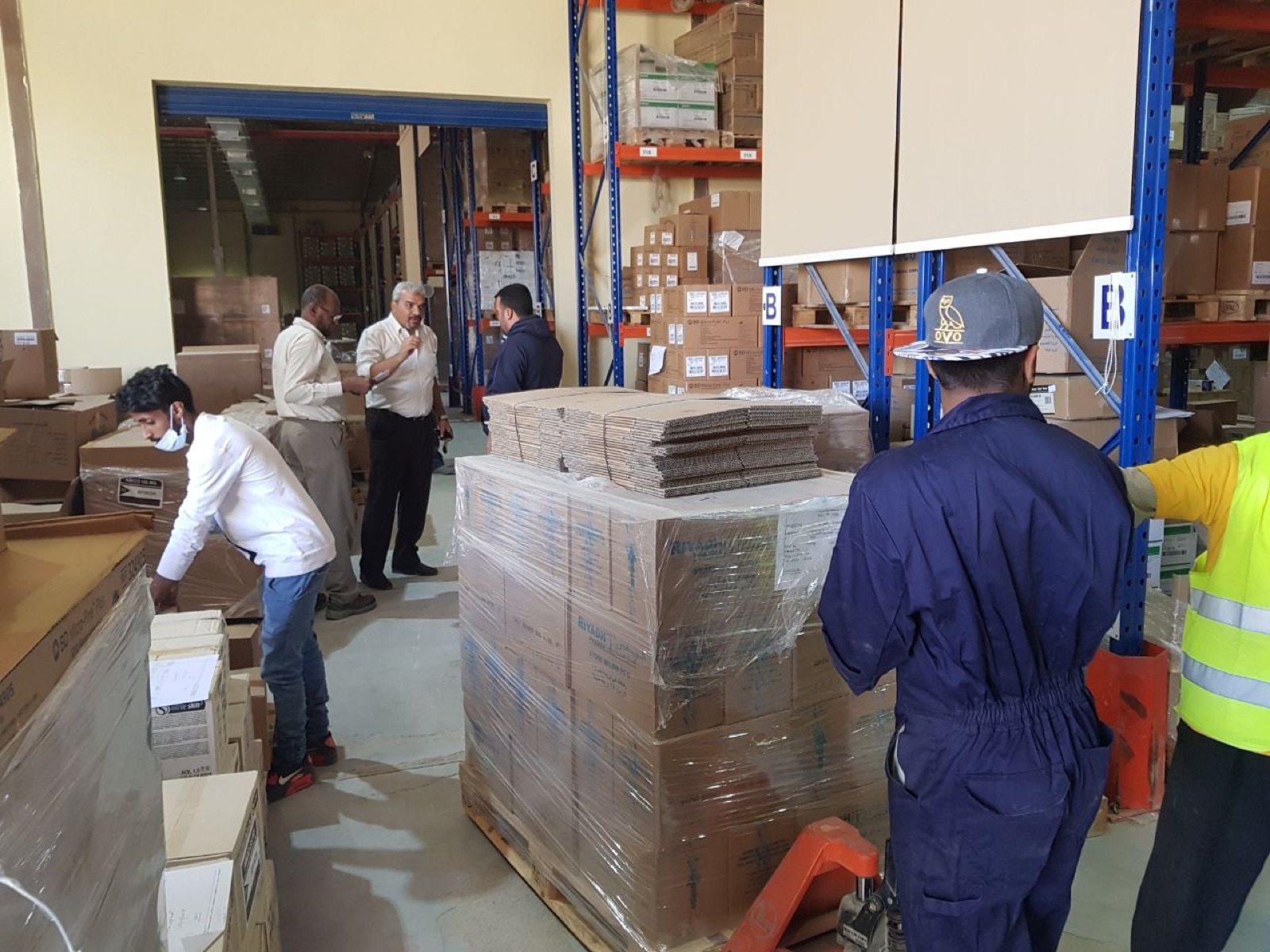
Why Your Stocktake Belongs in Independent Hands
When a warehouse team counts its own stock, it is auditing its own work. Here is why auditors insist on an independent party — and what actually changes in the numbers.
Read Article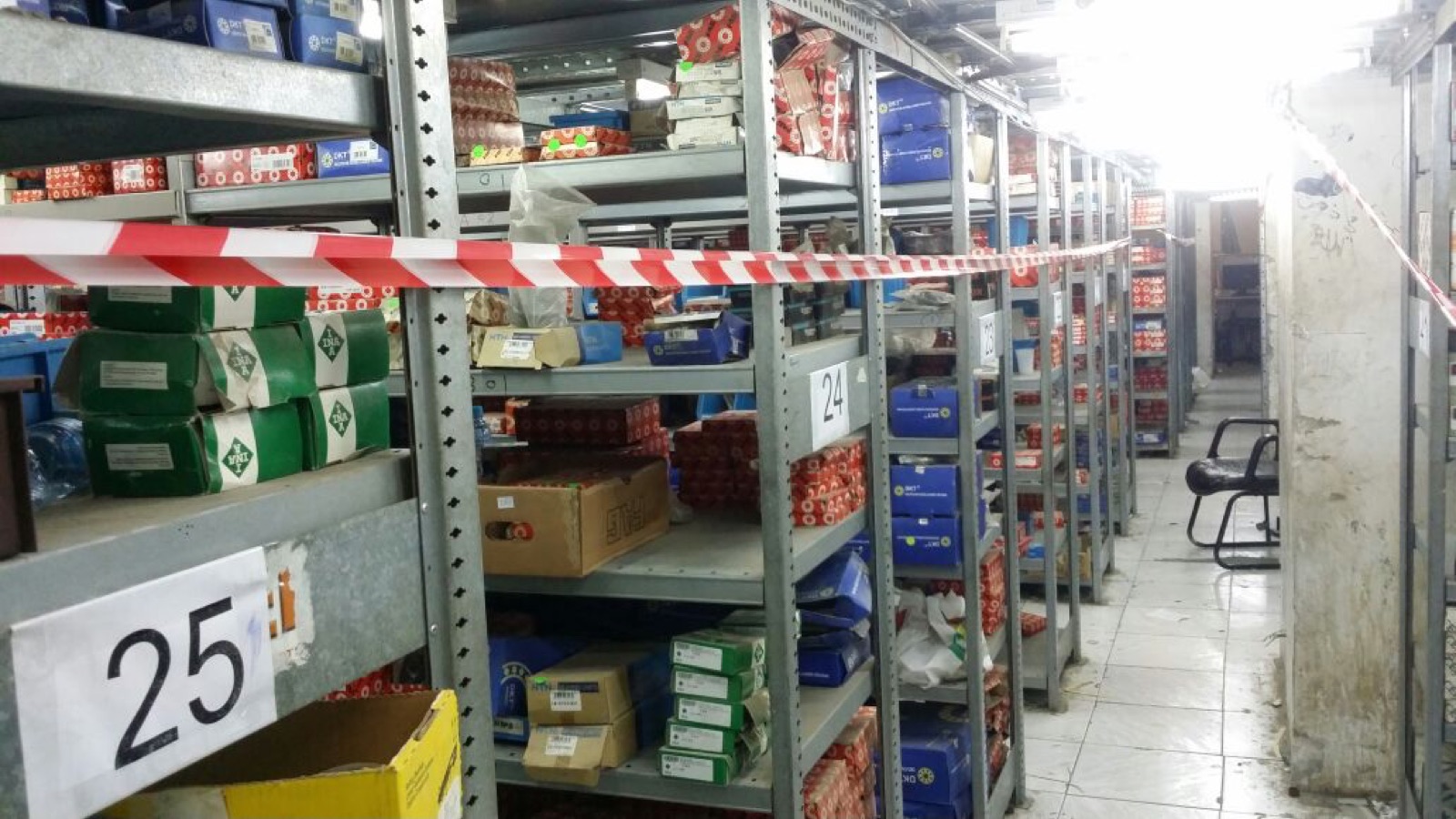
Twenty per cent of your SKUs account for eighty per cent of your movement. ABC analysis is how that rule of thumb turns into concrete decisions about storage locations and counting schedules.
In most warehouses, a small proportion of items accounts for the largest share of movement and value. ABC analysis translates that observation into three practical categories, each handled differently.
Class A: high-value or fast-moving items — few in number, large in impact.
Class B: moderate in value and movement.
Class C: low-value or slow-moving items — many in number, limited in impact.
Classification can be based on item value, on movement rate, or on a combination of the two. The choice is not a detail: value-based classification serves financial control, while movement-based classification serves operational efficiency.
Class A items go in the locations closest to the dispatch area and at easy-reach height (the golden zone). Class C items move to upper or rear zones. This change alone measurably reduces the daily walking distance of the picking team.
There is no sense in counting every item at the same frequency. Class A is counted monthly, B quarterly, C annually. The result: higher accuracy for less effort.
Class A items warrant close monitoring and carefully calculated safety stock. Class C items are managed with simpler levels, without burdening management with daily tracking of low-impact lines.
Classification is not a one-off exercise. Item movement shifts seasonally and year on year, and a Class A item this year may become a C next year. Review the classification at least twice a year.
United Integrated Team
When a warehouse team counts its own stock, it is auditing its own work. Here is why auditors insist on an independent party — and what actually changes in the numbers.
Read Article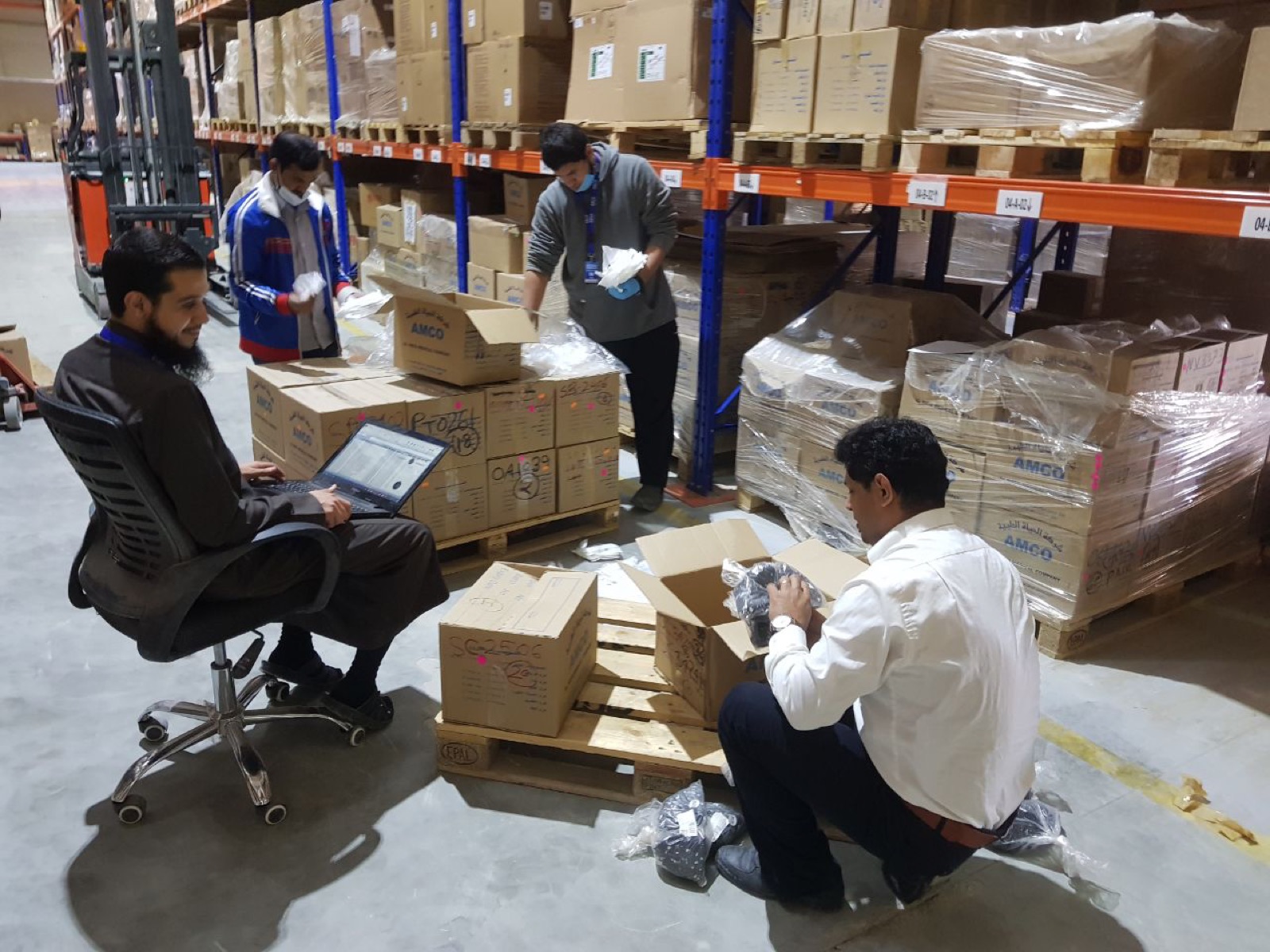
Every warehouse knows "first in, first out". Yet damaged and expired stock turns up in almost every count. The problem is not the rule — it is the design.
Read Article
Many WMS projects fail not because the system is poor, but because the warehouse was not ready for it. These five questions expose your readiness before you sign the contract.
Read ArticleBook an initial consultation with the United Integrated team — we listen to your challenges and map the fastest route to lower costs and higher accuracy.