The structural flaw in counting your own stock
When a warehouse team counts its own inventory, a problem arises that has less to do with integrity than with how the work is structured: the team is reviewing the results of its own performance. And an eye accustomed to a place stops seeing the faults in it.
Layered on top of this is an unspoken pressure: the count result is read as an assessment of the team itself, which creates a tendency — conscious or otherwise — to explain variances away rather than record them.
Three things an independent party changes
1. Neutrality in recording
An independent team has no stake in the outcome of the count. It records what it sees, not what it is expected to see. That alone is enough to produce a tangible shift in the accuracy of the figures.
2. Credibility with auditors
A stocktaking report issued by an independent external party carries weight as audit evidence with internal and external reviewers alike, sparing the finance function a long argument at year-end close.
3. Rapid mobilisation without disruption
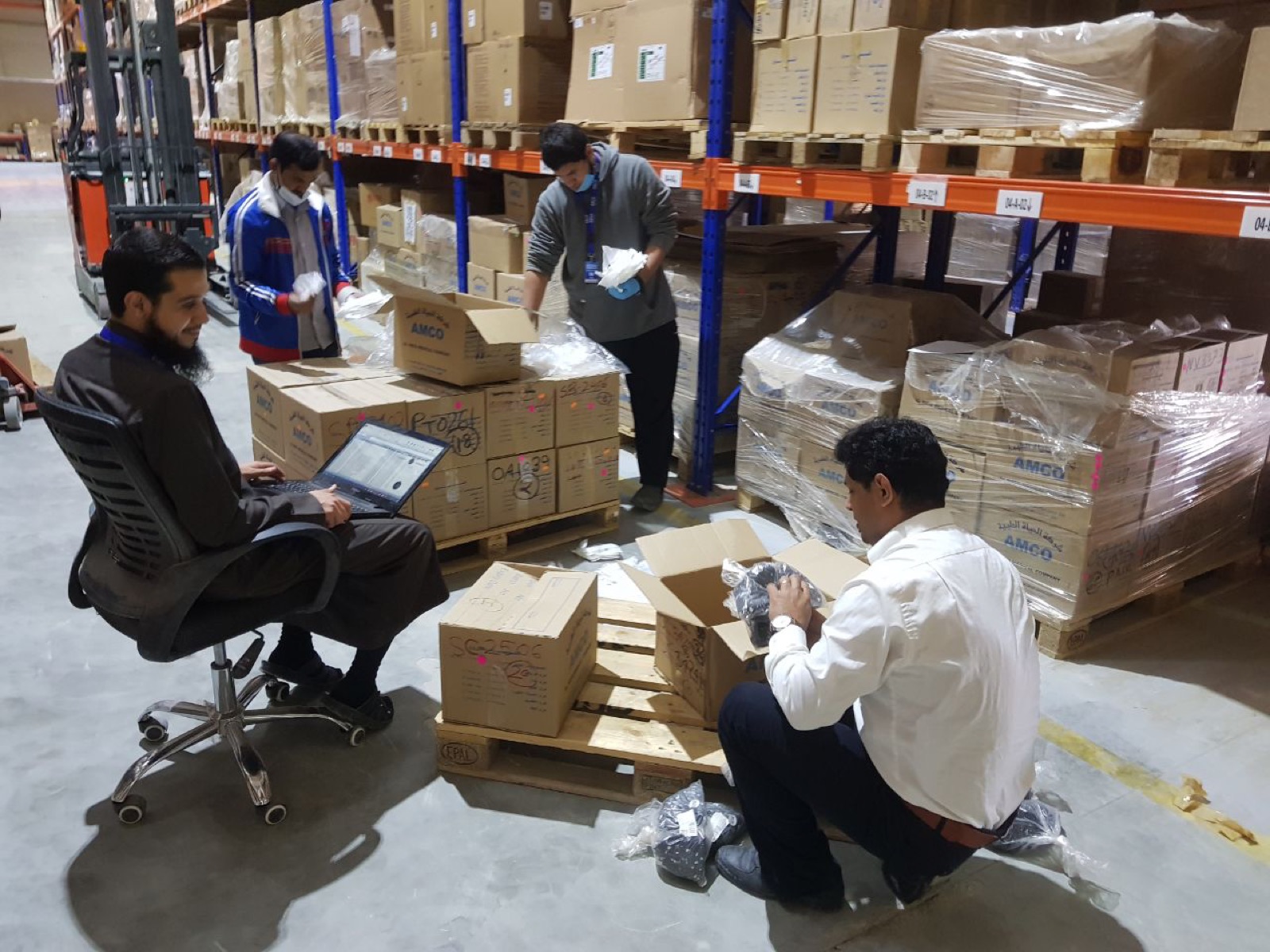
An in-house count means pulling your own staff off their core duties for days. An external team arrives with sufficient headcount and a ready plan, and executes within a tight window. The saving here is not in the cost of counting, but in the cost of downtime.
And what about the cost difference?
The sharper question is not "what does an external stocktake cost?" but "what does it cost me not to know my true stock position?" Once you account for unnecessary purchasing, dead stock and late orders, an independent count often moves from the expense column to the savings column.
United Integrated Team